How Clean Facilities Improve Efficiency in Logistics and Fulfillment Centers

Bob Hansen • April 9, 2026

Logistics and fulfillment centers operate in fast-paced environments where efficiency is directly tied to output, safety, and operational consistency. While technology, staffing, and inventory management often receive the most attention, facility cleanliness plays a critical role in supporting performance across the entire operation. A well-maintained facility is not simply a matter of appearance. It is a functional component of an efficient supply chain.


Understanding how cleanliness impacts logistics operations can help facility managers and operators make more informed decisions about maintenance strategies.
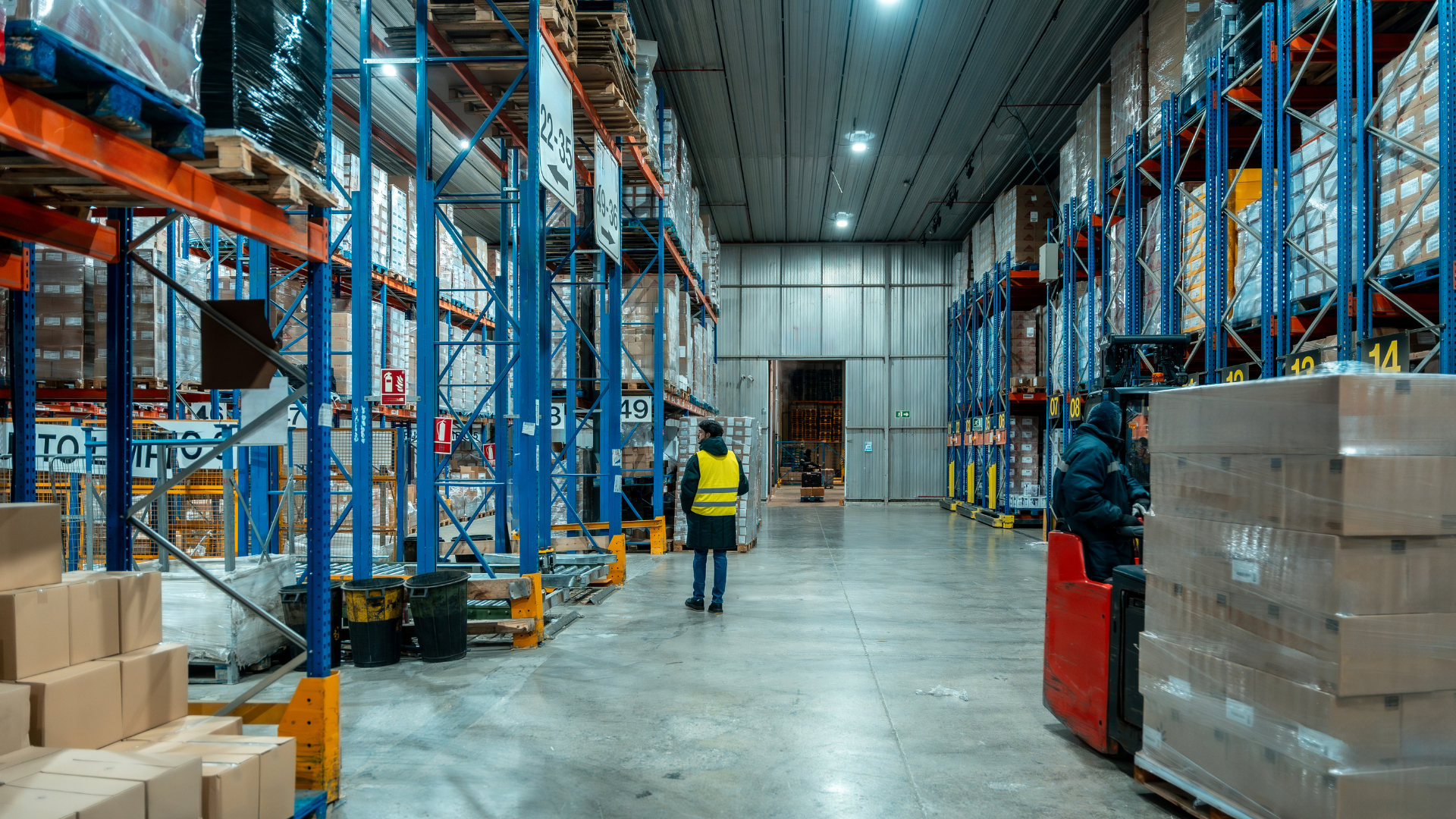
Clean Floors Support Safe and Consistent Movement

Warehouse and fulfillment environments rely on constant movement. Employees, forklifts, pallet jacks, and automated systems all depend on stable, predictable surfaces. When floors accumulate grease, dust, or residue, the risk of slips, trips, and equipment instability increases.


According to the Occupational Safety and Health Administration, slips, trips, and falls remain one of the leading causes of workplace injuries. Contaminants on flooring surfaces can contribute to these incidents, particularly in high-traffic environments.


Regular use of industrial-grade floor cleaners can help remove buildup and maintain surface traction. In logistics settings where speed and repetition are essential, maintaining clean floors supports both worker safety and operational continuity.
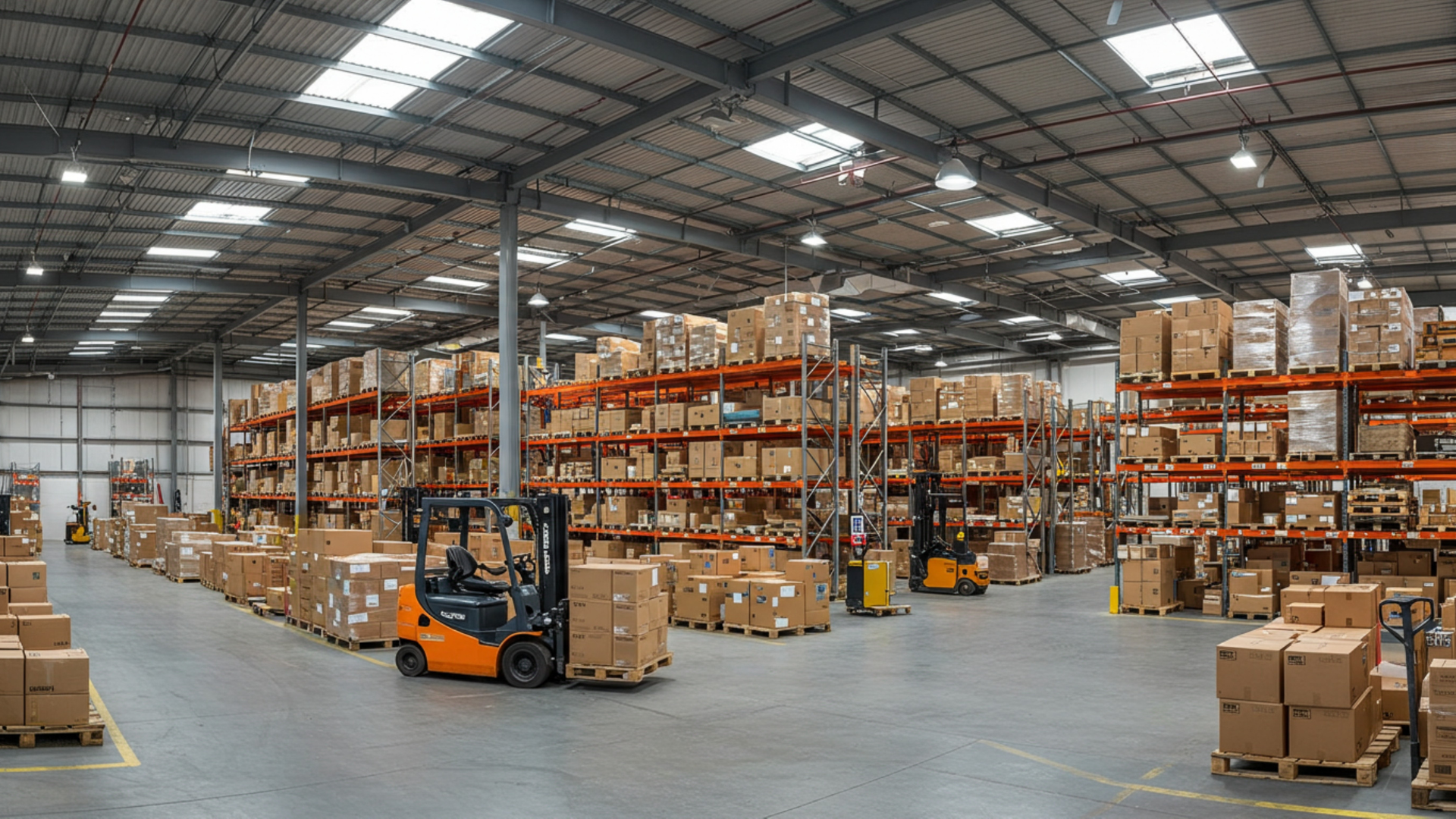
Equipment Performance Depends on Clean Environments

Fulfillment centers depend heavily on equipment, including conveyors, forklifts, and automated picking systems. These machines operate continuously and are exposed to dust, oils, and debris generated throughout daily operations.


Accumulated residue can interfere with moving parts, reduce efficiency, and contribute to premature wear. In some cases, buildup may lead to unexpected downtime, which can disrupt workflows and delay shipments.


Consistent cleaning practices, including the use of appropriate degreasers and parts cleaning solutions, may help reduce these risks. By maintaining cleaner equipment and surrounding environments, facilities can support more reliable performance and minimize interruptions.
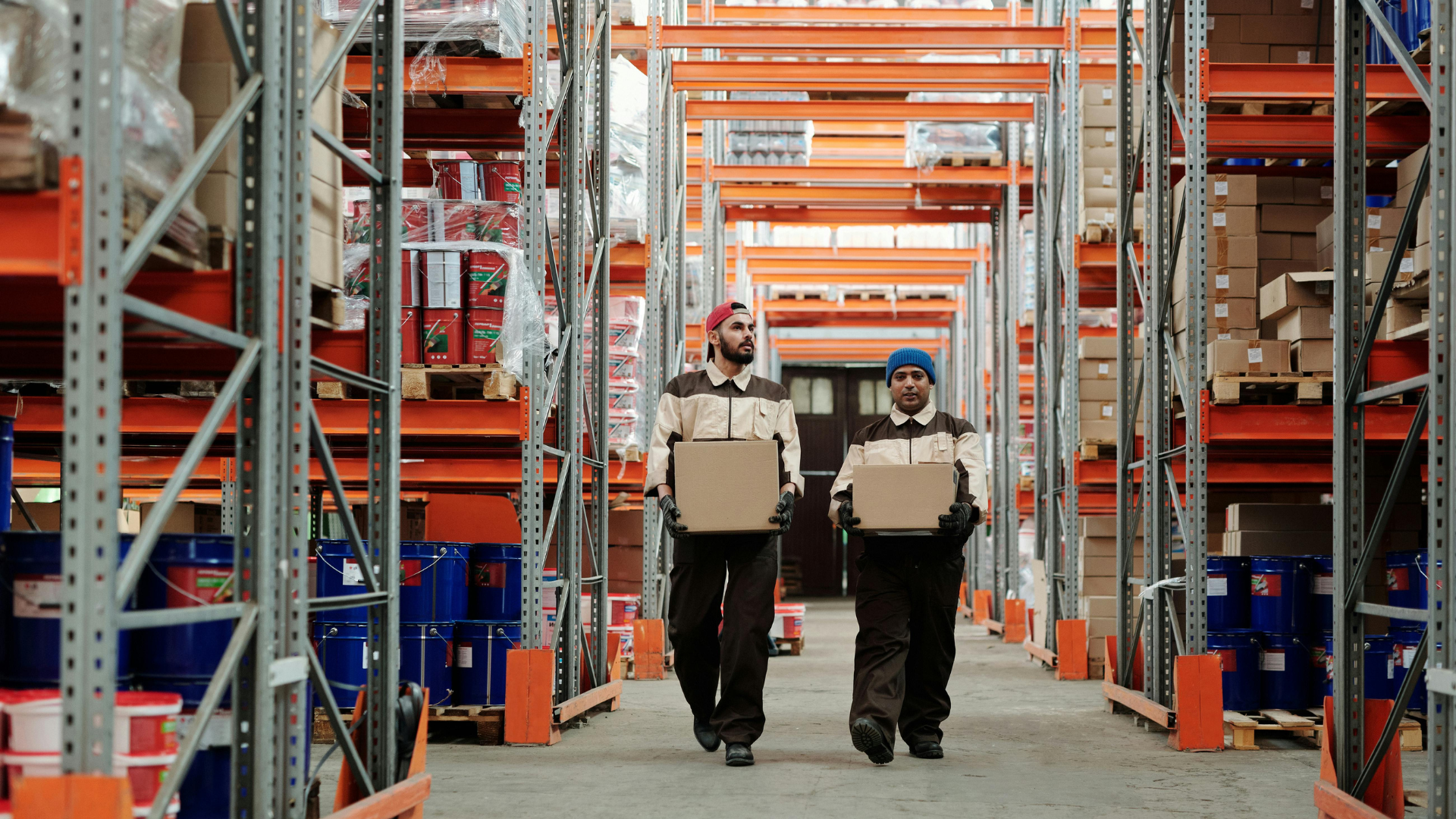
Cleanliness Supports Workflow Efficiency

Efficiency in logistics is built on predictable, repeatable processes. When workspaces are cluttered or contaminated, even small disruptions can slow down operations.


Examples include:

  • Reduced visibility of floor markings and safety zones
  • Obstructed pathways due to debris or residue
  • Increased time spent navigating or correcting avoidable issues

Maintaining a clean facility allows employees to move more freely and complete tasks without unnecessary delays. Clear, well-maintained environments support better organization and faster execution of daily responsibilities.
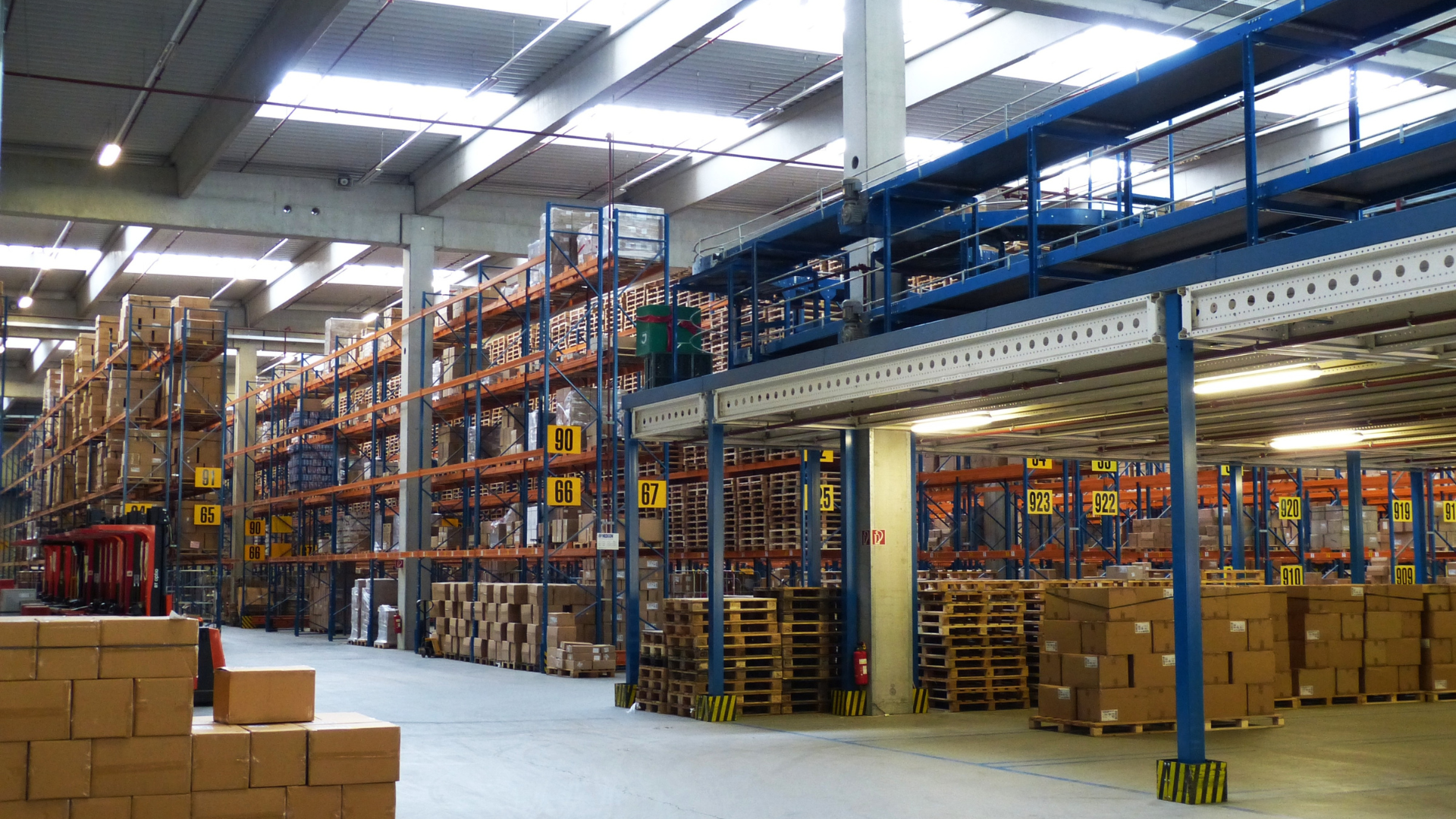
Maintenance Practices Influence Long-Term Costs

Facility cleanliness is closely tied to long-term maintenance outcomes. When contaminants are allowed to accumulate, they can contribute to the degradation of flooring, equipment, and infrastructure.


For example, oils and chemicals left on surfaces may break down materials over time, while dust accumulation can affect sensitive systems. Addressing these issues after damage occurs often requires more extensive intervention.


Proactive cleaning may help extend the lifespan of facility assets by reducing exposure to harmful substances. While results may vary depending on conditions and materials, consistent maintenance is generally associated with improved durability and reduced long-term costs.
Environmental and Regulatory Considerations

Many logistics and fulfillment centers are evaluating their environmental impact and compliance with evolving regulations. Cleaning practices are part of this broader consideration.


Traditional solvent-based cleaners may present challenges related to handling, disposal, and workplace exposure. In contrast, aqueous and eco-friendly cleaning solutions are designed to reduce reliance on hazardous substances.


According to research supported by the National Institutes of Health, exposure to certain chemical agents in occupational settings may be associated with health risks depending on concentration and duration. While specific outcomes depend on many factors, reducing exposure to potentially hazardous substances is a common objective in workplace safety initiatives.


Selecting cleaning products that align with environmental and safety goals can support both compliance and employee well-being.
A Strategic Approach to Facility Cleaning

Effective cleaning in logistics environments is not limited to occasional maintenance. It requires a structured approach that considers the specific needs of the facility, including traffic patterns, types of contaminants, and operational demands.


This may include:

  • Scheduled floor cleaning for high-traffic zones
  • Targeted degreasing in equipment areas
  • Routine maintenance of parts and machinery
  • Selection of cleaning solutions appropriate for the environment

Facilities that treat cleaning as a core operational function, rather than a secondary task, are often better positioned to maintain efficiency over time.
Supporting Efficiency Through Smarter Cleaning Solutions

Clean facilities contribute to safer operations, more reliable equipment performance, and smoother workflows. In logistics and fulfillment centers, where margins can be influenced by small inefficiencies, these factors can have a measurable impact.


Green Power Chemical provides industrial cleaning solutions designed to support demanding environments such as warehouses and distribution centers. From floor cleaning to degreasing applications, its products are developed to address real-world challenges while aligning with modern environmental and safety considerations.


To learn more about improving efficiency in your facility through effective cleaning solutions, contact Green Power Chemical today.

You can contact us by phone at 800-932-9371, by emailing us at peter@greenpowerchemical.com, or through the contact form here on our site.
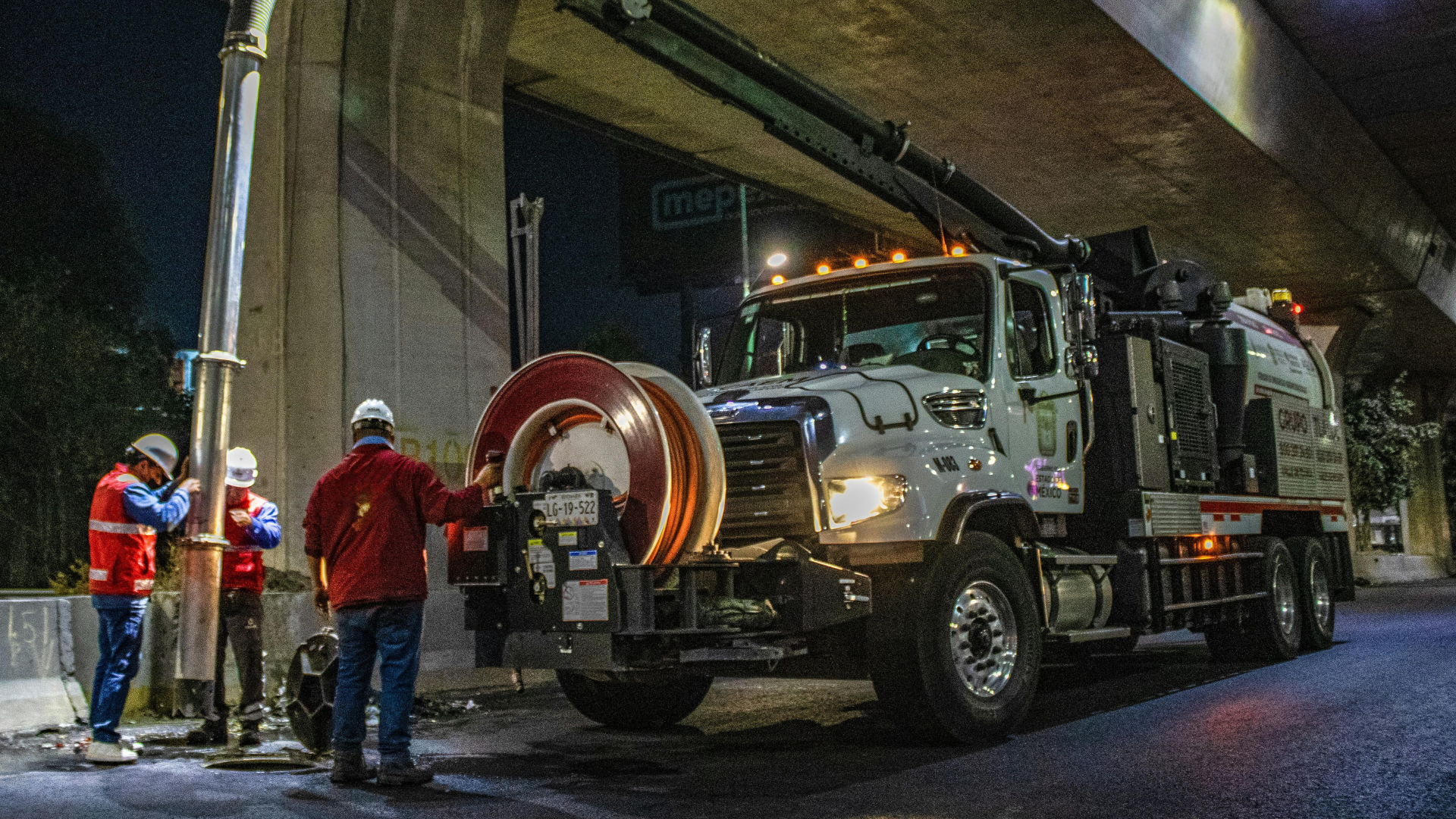
Utility truck and workers in hard hats under an overpass at night, with traffic cones and equipment.
By Bob Hansen June 17, 2026
Public works departments play a vital role in keeping communities functioning smoothly. From maintaining roads and stormwater systems to operating vehicle fleets and managing public infrastructure, these departments are responsible for a wide range of essential services. While much attention is given to the work they perform, one area that often receives less recognition is the importance of effective cleaning and maintenance practices.  Public works operations rely heavily on equipment, vehicles, facilities, and tools that are exposed to dirt, grease, oil, mud, and other contaminants on a daily basis. Keeping these assets clean is not simply a matter of appearance. It is an important part of maintaining efficiency, safety, and long-term reliability.
Worker in gloves spraying a metal frame in an industrial workshop.
By Bob Hansen June 9, 2026
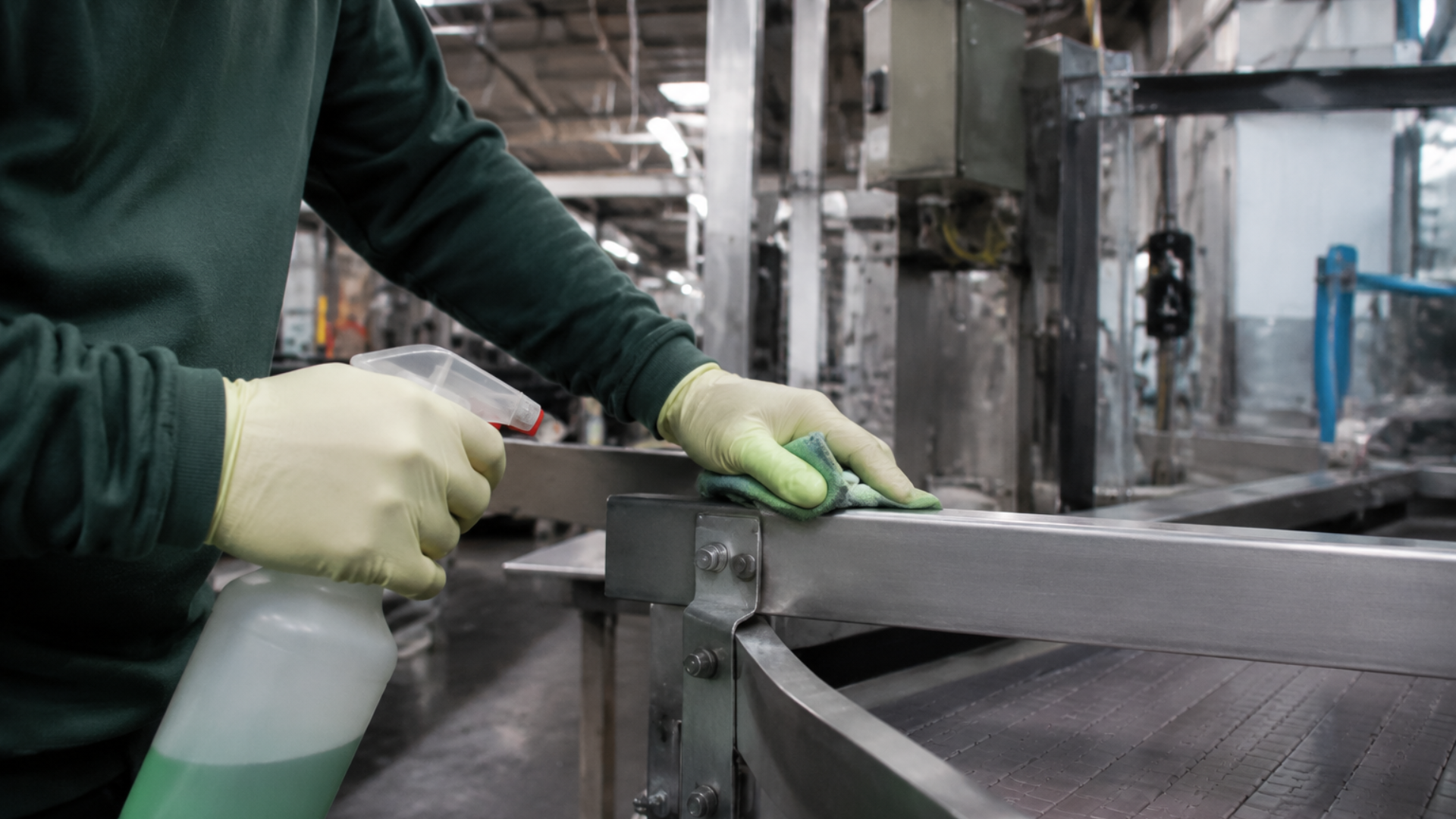
When people hear the term “ eco-friendly cleaning ,” they often think primarily about environmental protection. While sustainability is certainly an important benefit, modern environmentally friendly industrial cleaning solutions offer advantages that extend far beyond reducing environmental impact. Today’s industrial facilities are increasingly looking for cleaning products that deliver strong performance while also supporting workplace safety, operational efficiency, and regulatory compliance.  As industrial cleaning technology has evolved, many businesses have discovered that environmentally responsible products can help address multiple operational goals at the same time.
Open-pit mining quarry with conveyors, gravel piles, and heavy machinery under a clear sky
By Bob Hansen June 3, 2026
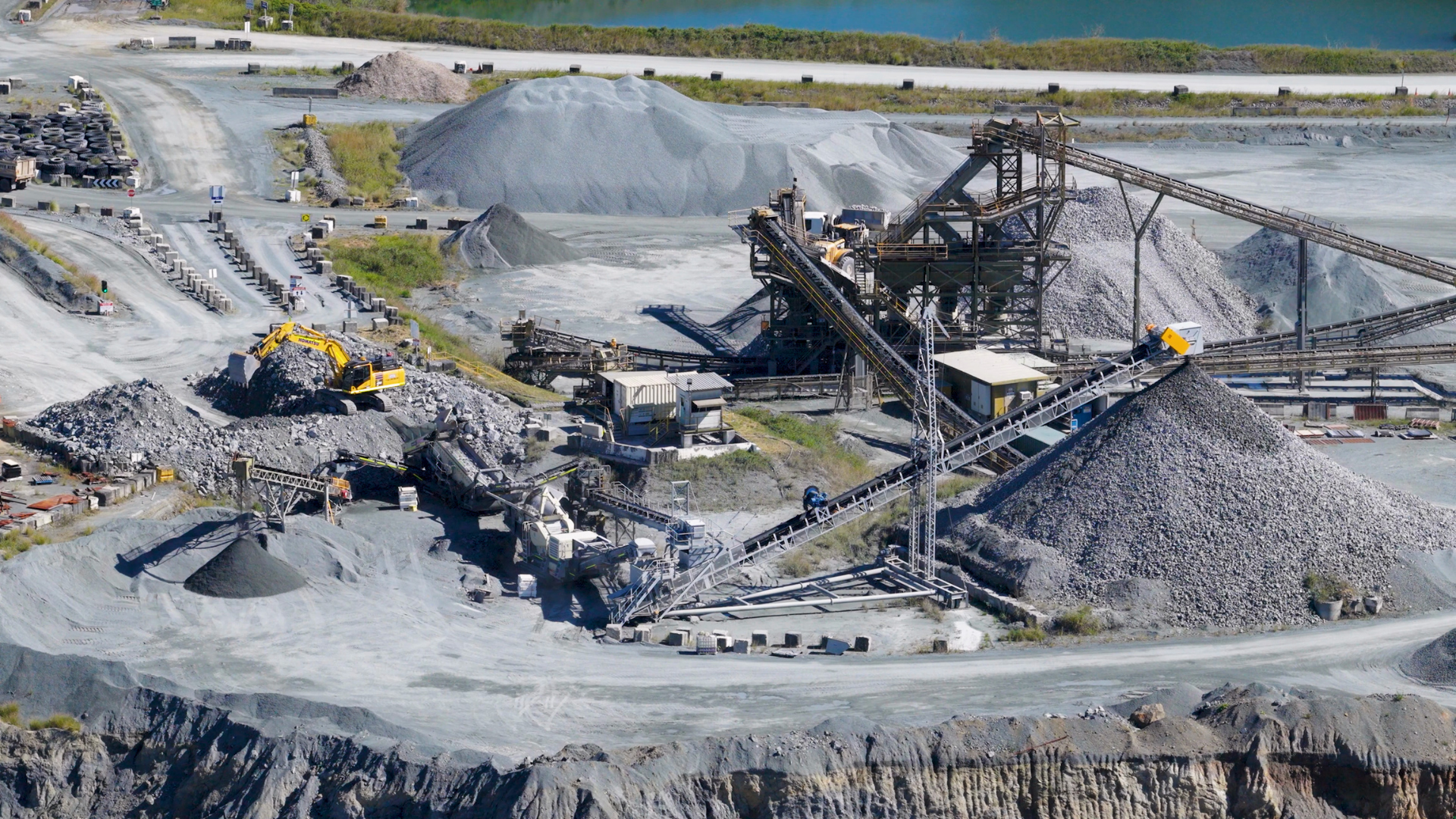
Cleaning Challenges in Aggregate and Quarry Operations Aggregate and quarry operations are among the toughest industrial environments in the world. Every day, equipment, vehicles, conveyors, crushers, and processing systems are exposed to dust, dirt, grease, mud, and heavy material buildup. While production equipment is built to withstand demanding conditions, contamination can still create maintenance challenges that affect efficiency, inspections, and long-term reliability. For operations that depend on heavy machinery running consistently, cleaning is about far more than appearance. It is an important part of maintenance, safety, and operational performance. Green Power Chemical has spent more than 40 years helping industrial facilities solve difficult cleaning problems with environmentally friendly cleaners, degreasers, and parts washing solutions designed for demanding applications.
Red combine harvester cutting crops in a field, with a long black front header.
By Bob Hansen May 27, 2026
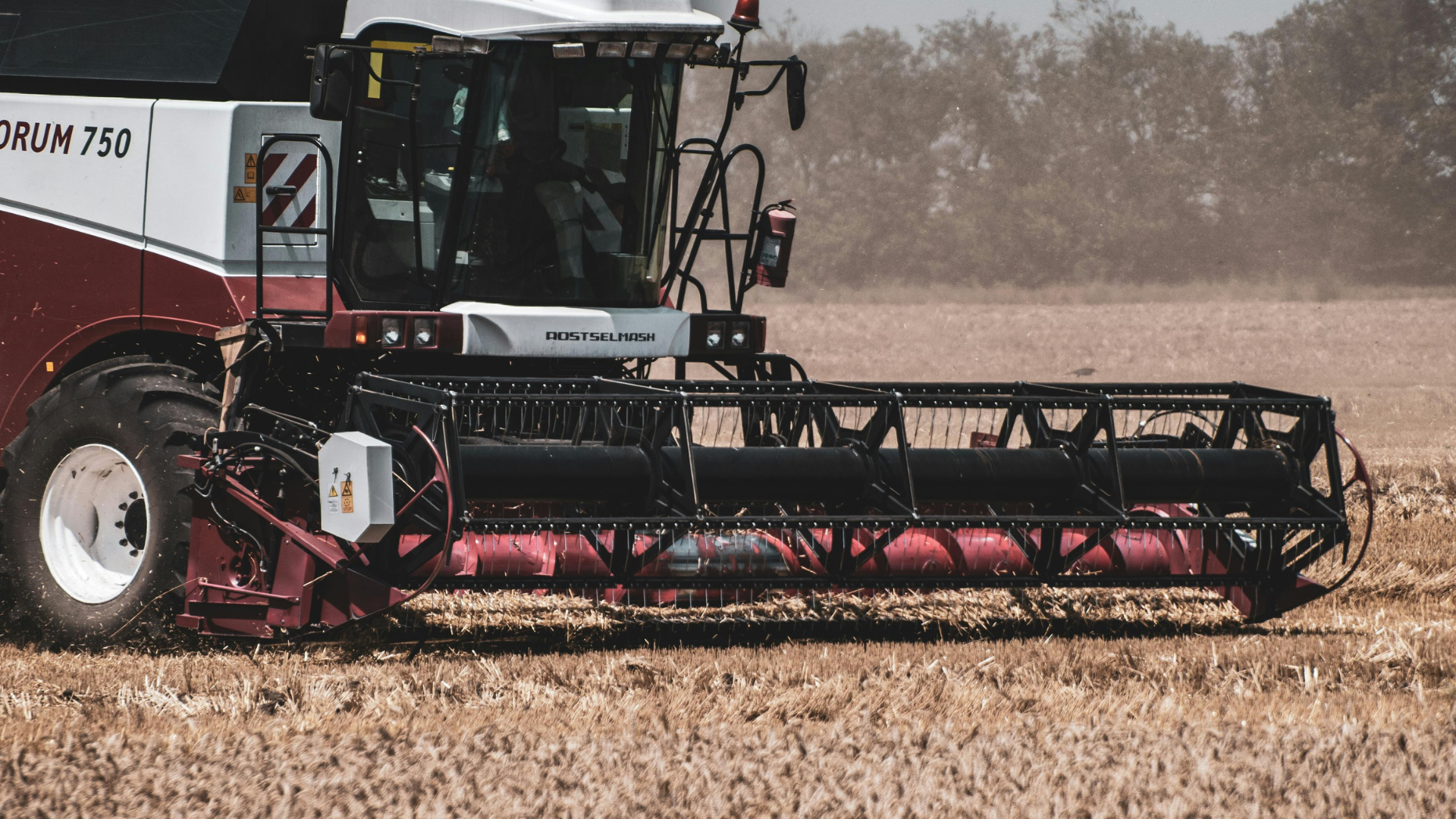
Agricultural equipment operates in some of the harshest working environments of any industry. Tractors, combines, harvesters, sprayers, loaders, and processing equipment are exposed constantly to dirt, grease, oils, fertilizers, crop residue, moisture, and heavy mechanical stress. Over time, these contaminants accumulate throughout machinery surfaces and components, creating maintenance challenges that go far beyond ordinary cleaning.  At Green Power Chemical, we understand that agricultural operations require heavy-duty cleaning solutions capable of handling complex industrial contamination while supporting efficient equipment maintenance.
Industrial warehouse interior with stainless steel machinery, wet floor, and bright overhead lighting
By Bob Hansen May 20, 2026
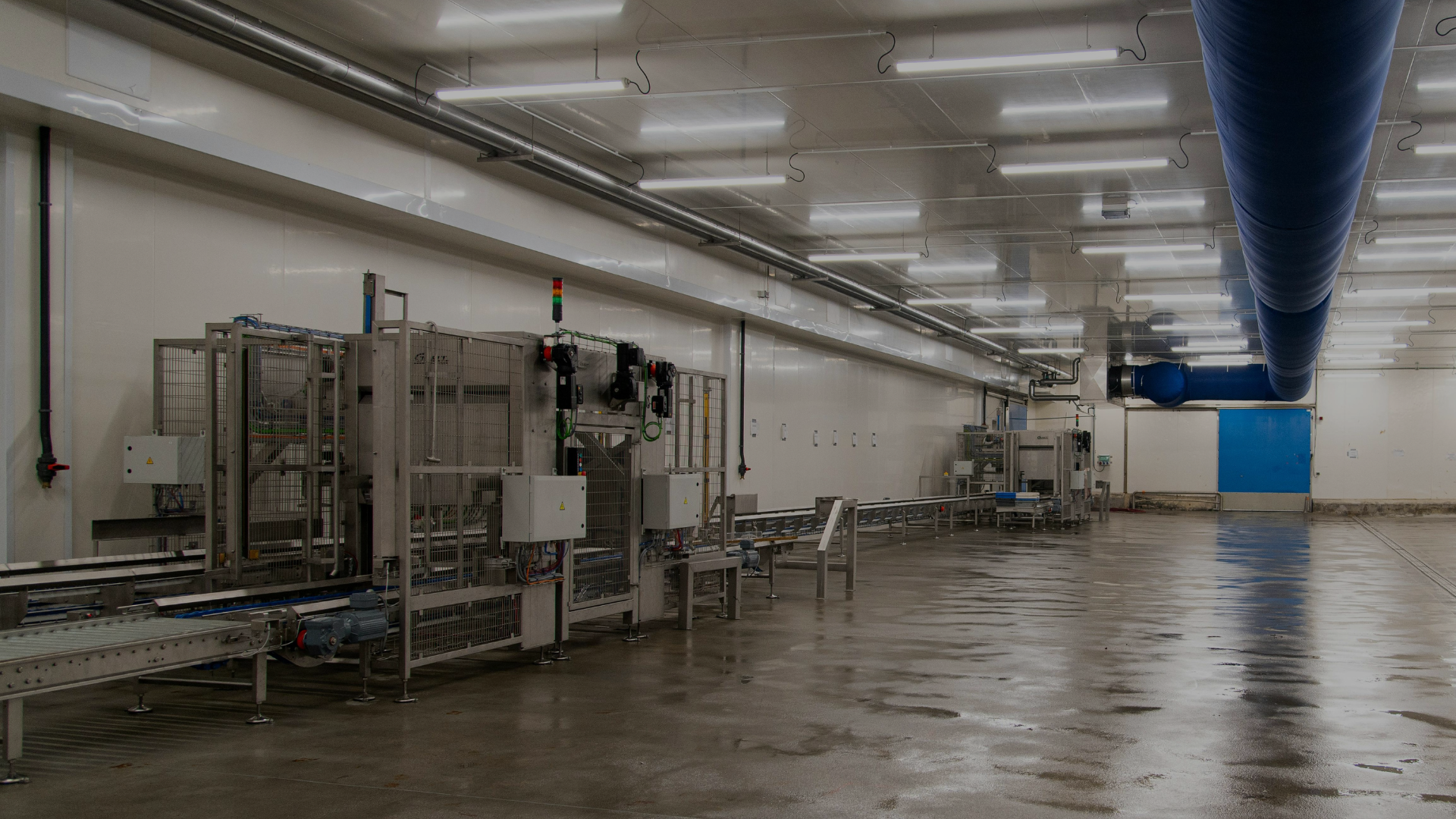
Environmental responsibility has become an increasingly important part of industrial operations. Manufacturing facilities, warehouses, commercial kitchens, and processing environments are under growing regulatory and social pressure to reduce waste, improve safety, and operate more sustainably. While equipment upgrades and energy efficiency often receive most of the attention, cleaning practices also play a major role in environmental impact.  At Green Power Chemical, we understand that industrial cleaning is not only about appearance. Proper cleaning programs help facilities improve operational efficiency while supporting safer and more environmentally responsible practices.
Modern stainless-steel commercial kitchen with cooking range, prep counters, and overhead ventilation.
By Bob Hansen May 14, 2026
Commercial kitchens operate in demanding conditions where heat, moisture, and constant food preparation create a challenging environment for cleanliness. While routine cleaning is a standard part of kitchen operations, not all cleaning solutions are equipped to handle the specific types of buildup that develop in these settings. Grease, in particular, presents a unique challenge that requires more than general-purpose cleaning products.  At Green Power Chemical, the focus is on providing industrial-grade solutions that address the realities of commercial kitchen environments, where effectiveness, safety, and consistency are essential.
Row of white delivery trucks parked in a line along a curb
By Bob Hansen May 6, 2026
Fleet maintenance is often associated with mechanical work such as engine service, brake replacement, and routine inspections. While these elements are essential, one of the most overlooked aspects of fleet performance is industrial cleaning. Proper cleaning practices play a direct role in maintaining equipment reliability, improving efficiency, and supporting long-term operational performance.  At Green Power Chemical, the focus is on providing effective cleaning solutions that align with the demands of fleet environments, where consistency and reliability are critical.
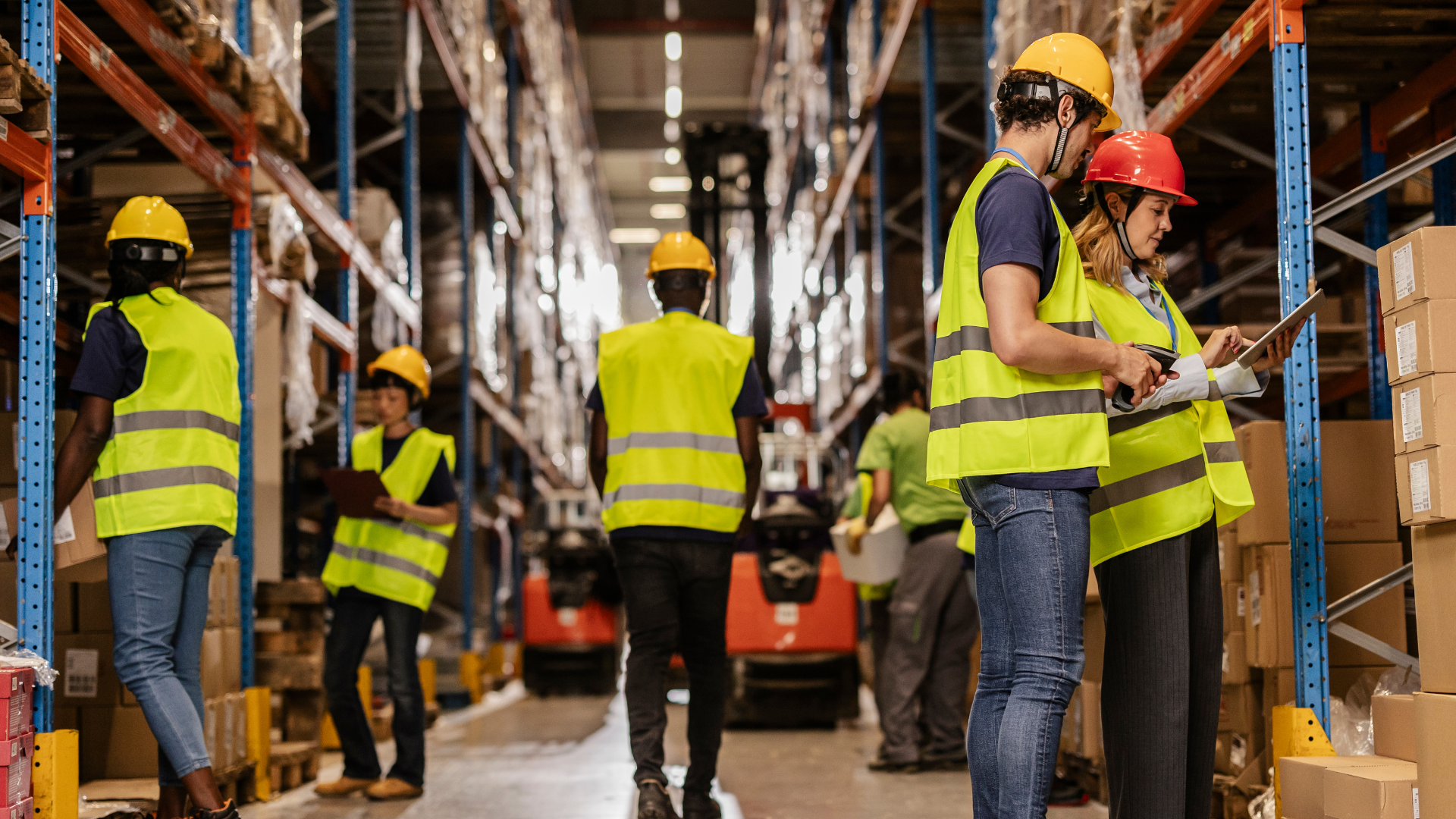
Workers in yellow safety vests and hard hats standing in a warehouse aisle with forklifts and shelving
By Bob Hansen April 29, 2026
Logistics environments are built for constant movement. Warehouses, distribution centers, and fulfillment facilities operate on tight schedules, with equipment, personnel, and inventory moving continuously throughout the day. In these high-traffic settings, cleanliness is often viewed as a secondary concern. In reality, it plays a direct role in safety, efficiency, and overall operational performance.  Maintaining clean surfaces is not simply about appearance. It is a foundational part of keeping logistics environments functioning as intended.
Abandoned industrial warehouse interior with concrete pillars and dusty floor
By Bob Hansen April 22, 2026
Persistent buildup is a common challenge across industrial and commercial environments. Whether it appears on floors, equipment, or work surfaces, residue that accumulates over time can be difficult to remove using standard cleaning methods. What begins as a manageable condition can gradually become more resistant, affecting both appearance and performance.  Understanding how buildup forms and why it persists is the first step toward addressing it effectively.
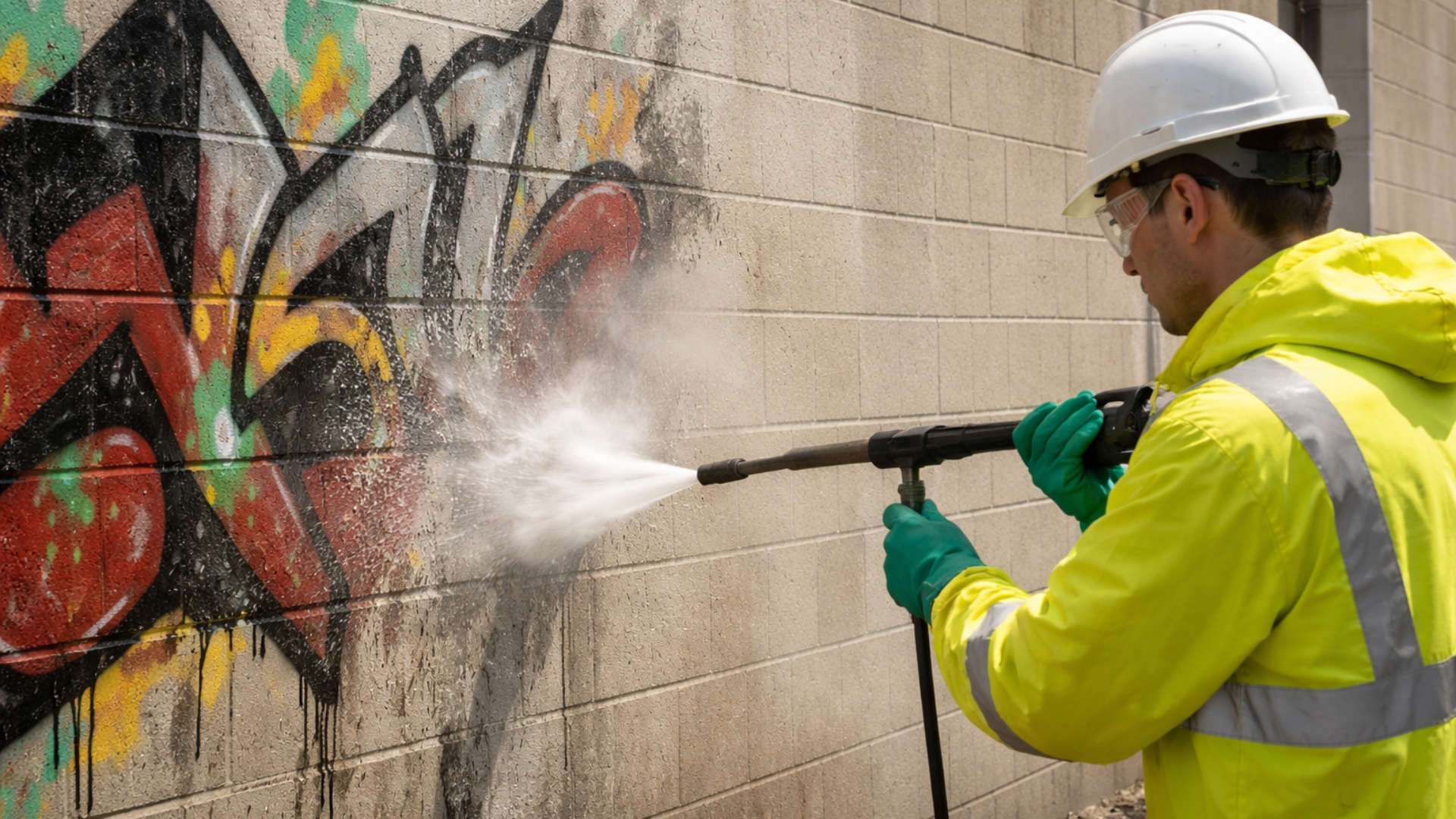
Worker in hard hat pressure-washing graffiti off a brick wall
By Bob Hansen April 15, 2026
Graffiti is a common issue in many municipalities, affecting everything from public buildings to sidewalks and infrastructure. While some forms of graffiti are intentional art , unauthorized markings often create challenges for property owners and local governments. Beyond the immediate visual impact, graffiti can influence how a space is perceived and used over time.  Understanding the role of graffiti removal helps highlight why it is an important part of maintaining public environments.