Starting the New Year With a Cleaner Compliance Strategy

Bob Hansen • December 30, 2025

The beginning of a new year is an important planning period for businesses. Compliance strategies are reviewed, safety goals are updated, and operational risks are reassessed. For many facilities, cleaning chemicals are an overlooked part of this process. At Green Power Chemical, we believe the New Year is the right time to align cleaning practices with regulatory compliance, worker safety, and environmental responsibility.
Why Cleaning Chemicals Matter for Compliance

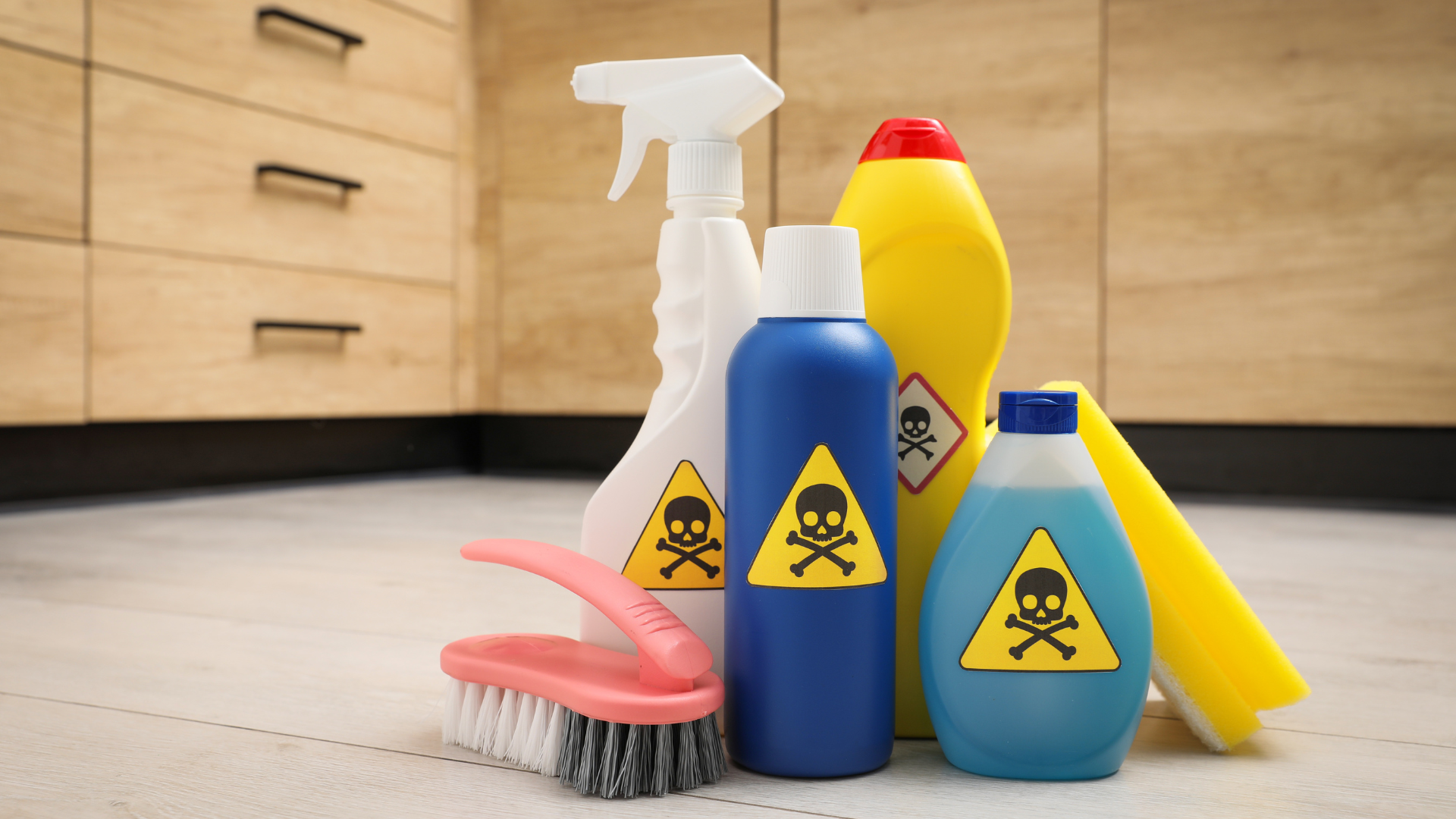
Industrial and commercial cleaning products play a direct role in regulatory exposure. Many traditional cleaners contain volatile organic compounds, hazardous air pollutants, or ingredients that increase worker exposure risks. These factors can affect compliance with Occupational Safety and Health Administration standards, Environmental Protection Agency guidelines, and state level air quality regulations.


Studies have shown that exposure to certain cleaning chemicals may contribute to respiratory irritation and other health concerns, particularly in occupational settings with repeated use. Research published in the American Journal of Respiratory and Critical Care Medicine has associated long term exposure to cleaning agents with adverse respiratory outcomes among workers. While outcomes vary by product and exposure level, the findings reinforce the importance of safer chemical selection.
The Role of VOC Reduction

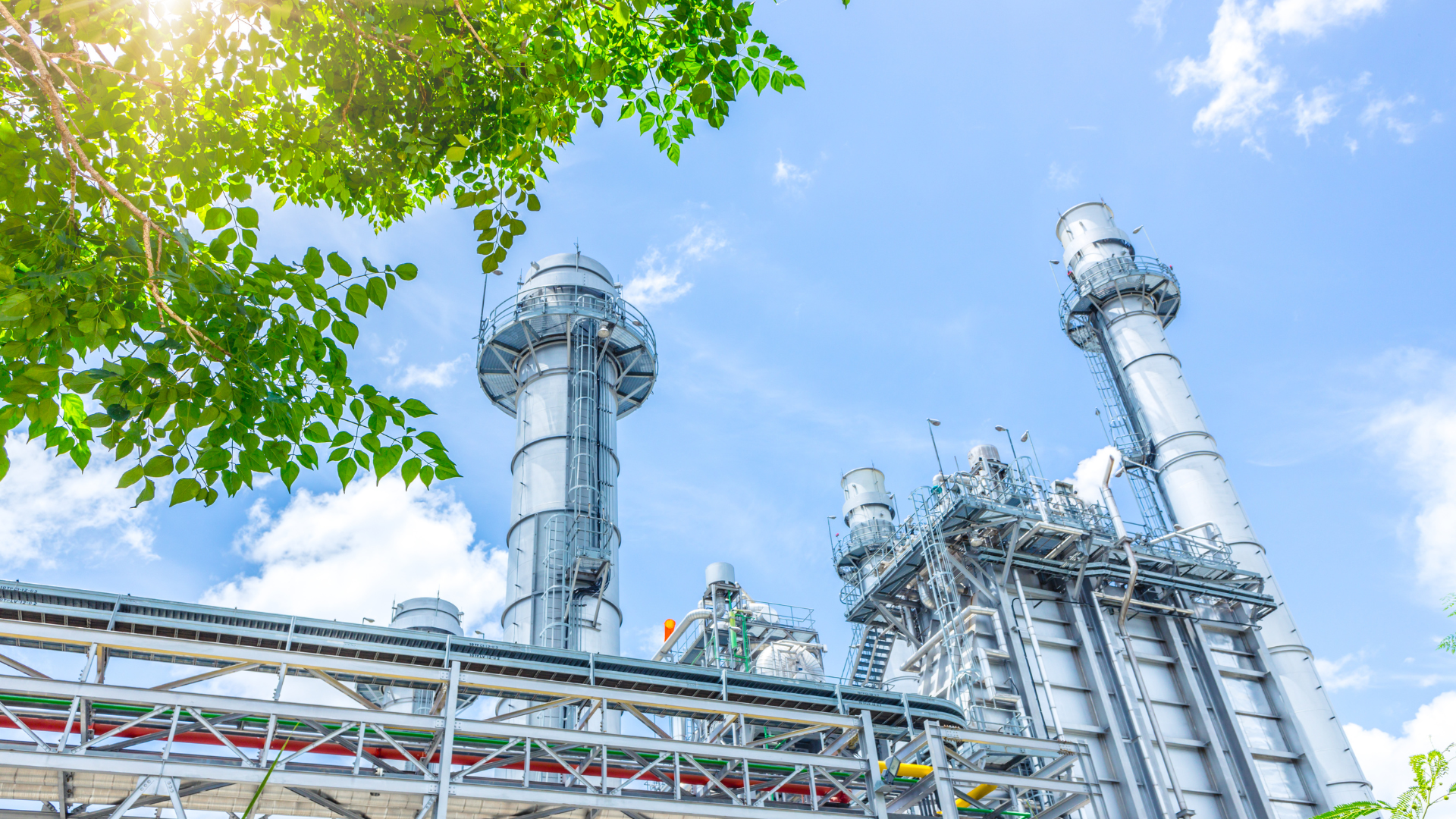
Volatile organic compounds are a major compliance concern for many facilities. VOCs contribute to indoor air quality issues and may trigger regulatory scrutiny, especially in industrial environments. Lower VOC formulations can help facilities reduce emissions and support healthier indoor environments.


The EPA has identified VOC reduction as a meaningful step in improving air quality and reducing environmental impact. Selecting cleaning products with low or no VOC content supports compliance goals while also aligning with broader sustainability initiatives.
OSHA Considerations and Worker Safety

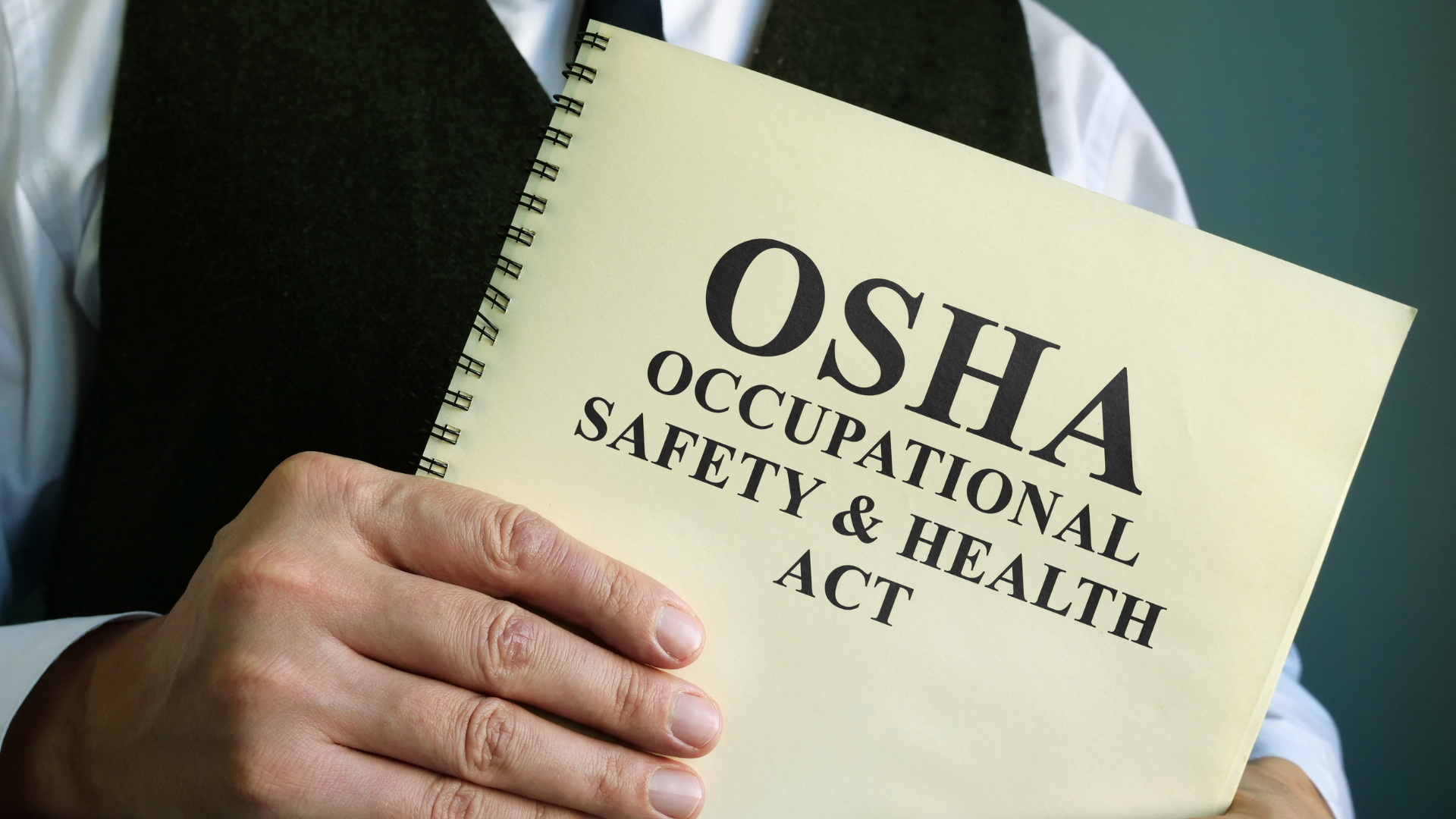
OSHA requires employers to provide a workplace free from recognized hazards. While no cleaning product is entirely risk free, choosing formulations designed to minimize toxicity and exposure can support hazard communication programs and safety planning.


Safer chemical alternatives may reduce the need for extensive personal protective equipment and lower the likelihood of chemical related incidents. Research in occupational health literature suggests that reducing exposure to hazardous substances is a foundational element of workplace safety strategies .

Compliance Beyond Regulations

Compliance is not limited to avoiding fines. Many organizations now view compliance as part of broader environmental, social, and governance goals. Cleaning chemicals factor into ESG reporting, sustainability metrics, and corporate responsibility initiatives.


Green cleaning solutions can support these objectives by reducing environmental impact and demonstrating a commitment to responsible operations. For facilities pursuing LEED certification or similar standards, compliant cleaning products may also contribute to point eligibility under indoor environmental quality criteria.

The New Year as a Reset Opportunity

The New Year offers a natural opportunity to audit chemical inventories and reassess product performance. Questions worth asking include whether current cleaners meet updated regulatory expectations, whether they align with safety goals, and whether safer alternatives are available without sacrificing performance.


Making changes early in the year allows time for training, documentation updates, and smooth implementation. It also positions facilities to remain compliant as regulations evolve.

A Proactive Approach to Risk Reduction

Switching to compliant, environmentally responsible cleaning chemicals is a proactive step rather than a reactive one. It reduces the likelihood of regulatory issues, supports worker health, and contributes to long term operational stability.


At Green Power Chemical, we focus on developing solutions that balance effectiveness with compliance and safety considerations. A cleaner compliance strategy is not just about meeting requirements. It is about building systems that support sustainable, responsible operations throughout the year ahead.

You can contact us by phone at 800-932-9371, by emailing us at peter@greenpowerchemical.com, or through the contact form here on our site.
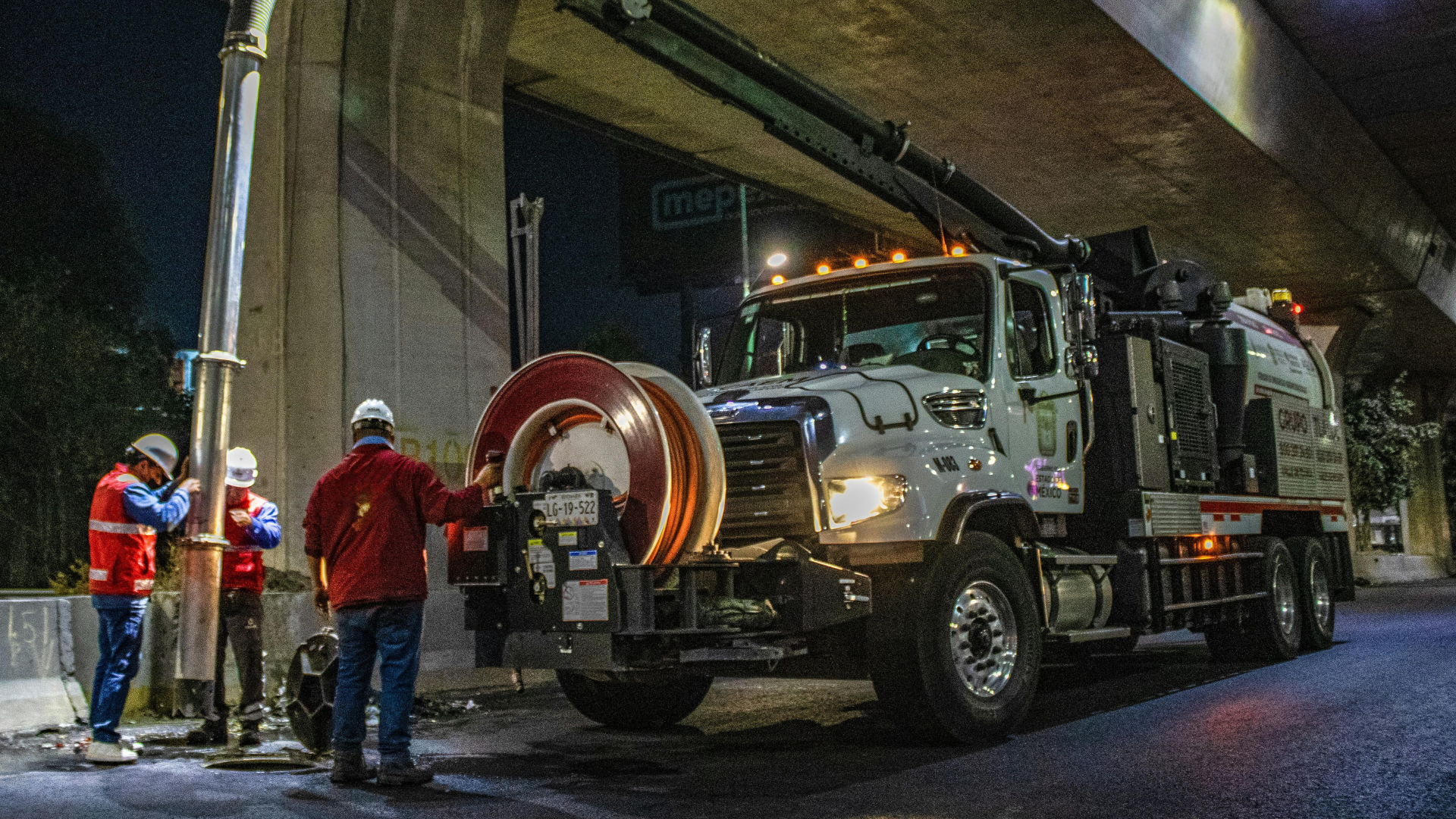
Utility truck and workers in hard hats under an overpass at night, with traffic cones and equipment.
By Bob Hansen June 17, 2026
Public works departments play a vital role in keeping communities functioning smoothly. From maintaining roads and stormwater systems to operating vehicle fleets and managing public infrastructure, these departments are responsible for a wide range of essential services. While much attention is given to the work they perform, one area that often receives less recognition is the importance of effective cleaning and maintenance practices.  Public works operations rely heavily on equipment, vehicles, facilities, and tools that are exposed to dirt, grease, oil, mud, and other contaminants on a daily basis. Keeping these assets clean is not simply a matter of appearance. It is an important part of maintaining efficiency, safety, and long-term reliability.
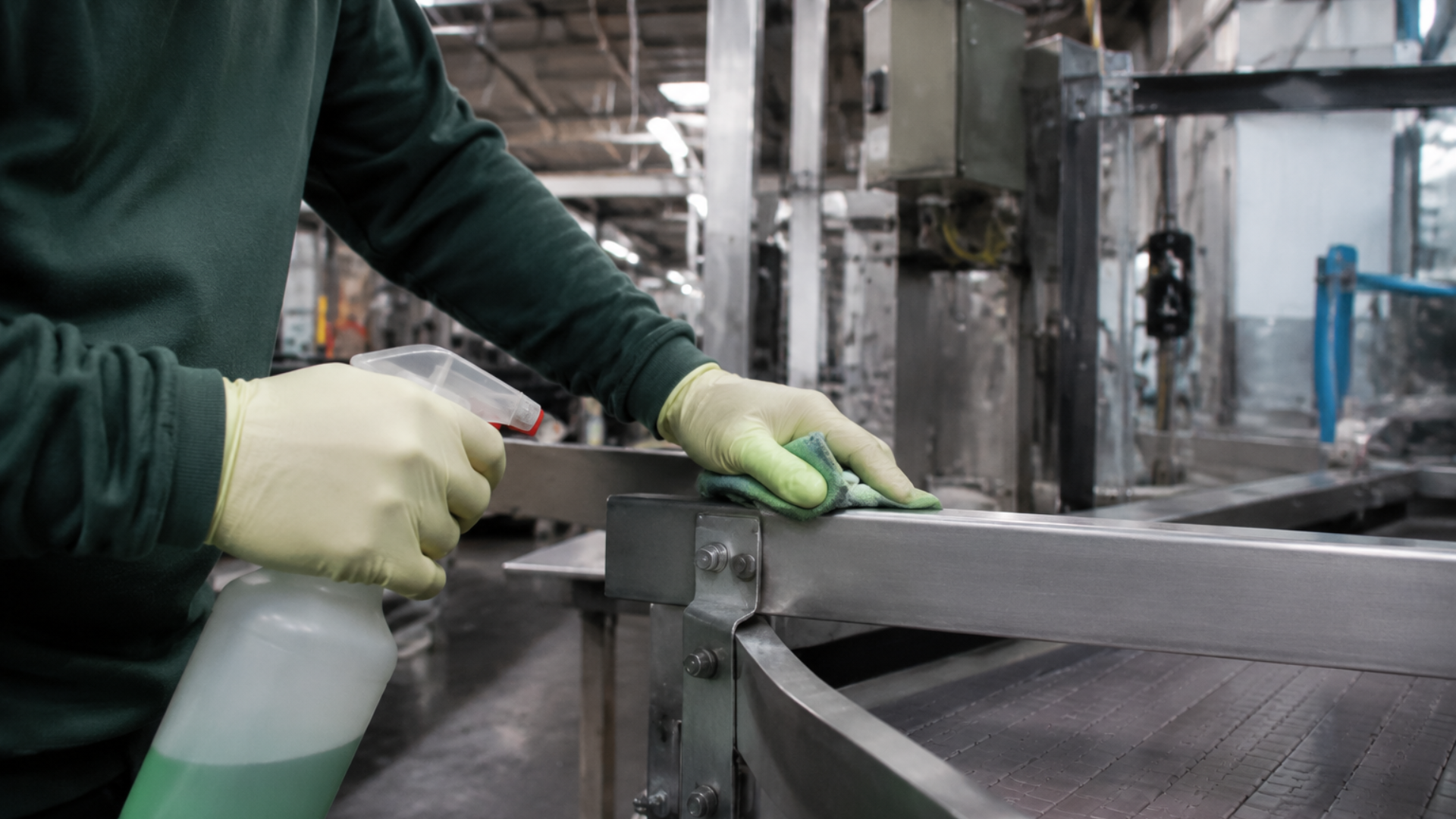
Worker in gloves spraying a metal frame in an industrial workshop.
By Bob Hansen June 9, 2026
When people hear the term “ eco-friendly cleaning ,” they often think primarily about environmental protection. While sustainability is certainly an important benefit, modern environmentally friendly industrial cleaning solutions offer advantages that extend far beyond reducing environmental impact. Today’s industrial facilities are increasingly looking for cleaning products that deliver strong performance while also supporting workplace safety, operational efficiency, and regulatory compliance.  As industrial cleaning technology has evolved, many businesses have discovered that environmentally responsible products can help address multiple operational goals at the same time.
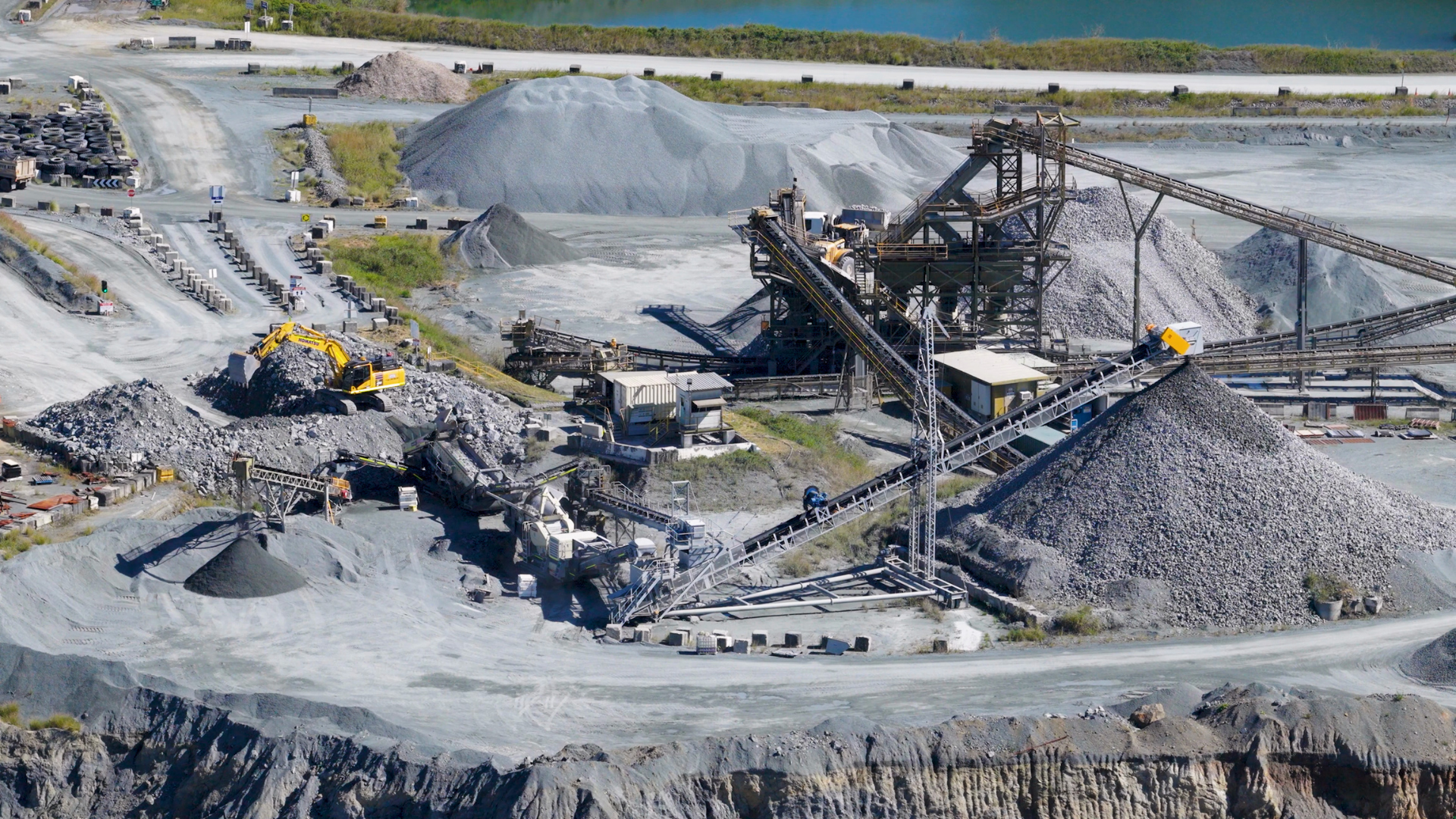
Open-pit mining quarry with conveyors, gravel piles, and heavy machinery under a clear sky
By Bob Hansen June 3, 2026
Cleaning Challenges in Aggregate and Quarry Operations Aggregate and quarry operations are among the toughest industrial environments in the world. Every day, equipment, vehicles, conveyors, crushers, and processing systems are exposed to dust, dirt, grease, mud, and heavy material buildup. While production equipment is built to withstand demanding conditions, contamination can still create maintenance challenges that affect efficiency, inspections, and long-term reliability. For operations that depend on heavy machinery running consistently, cleaning is about far more than appearance. It is an important part of maintenance, safety, and operational performance. Green Power Chemical has spent more than 40 years helping industrial facilities solve difficult cleaning problems with environmentally friendly cleaners, degreasers, and parts washing solutions designed for demanding applications.
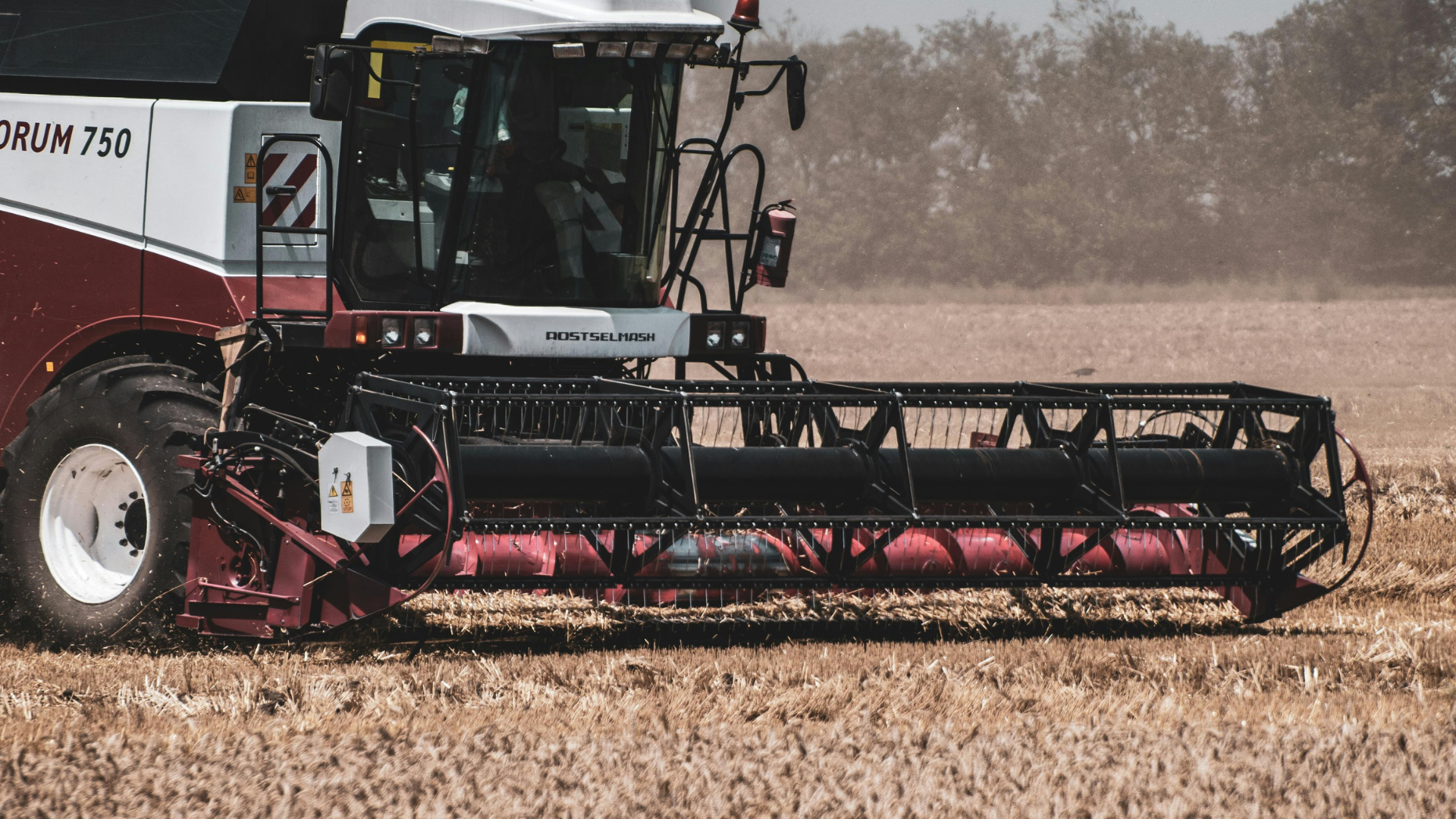
Red combine harvester cutting crops in a field, with a long black front header.
By Bob Hansen May 27, 2026
Agricultural equipment operates in some of the harshest working environments of any industry. Tractors, combines, harvesters, sprayers, loaders, and processing equipment are exposed constantly to dirt, grease, oils, fertilizers, crop residue, moisture, and heavy mechanical stress. Over time, these contaminants accumulate throughout machinery surfaces and components, creating maintenance challenges that go far beyond ordinary cleaning.  At Green Power Chemical, we understand that agricultural operations require heavy-duty cleaning solutions capable of handling complex industrial contamination while supporting efficient equipment maintenance.
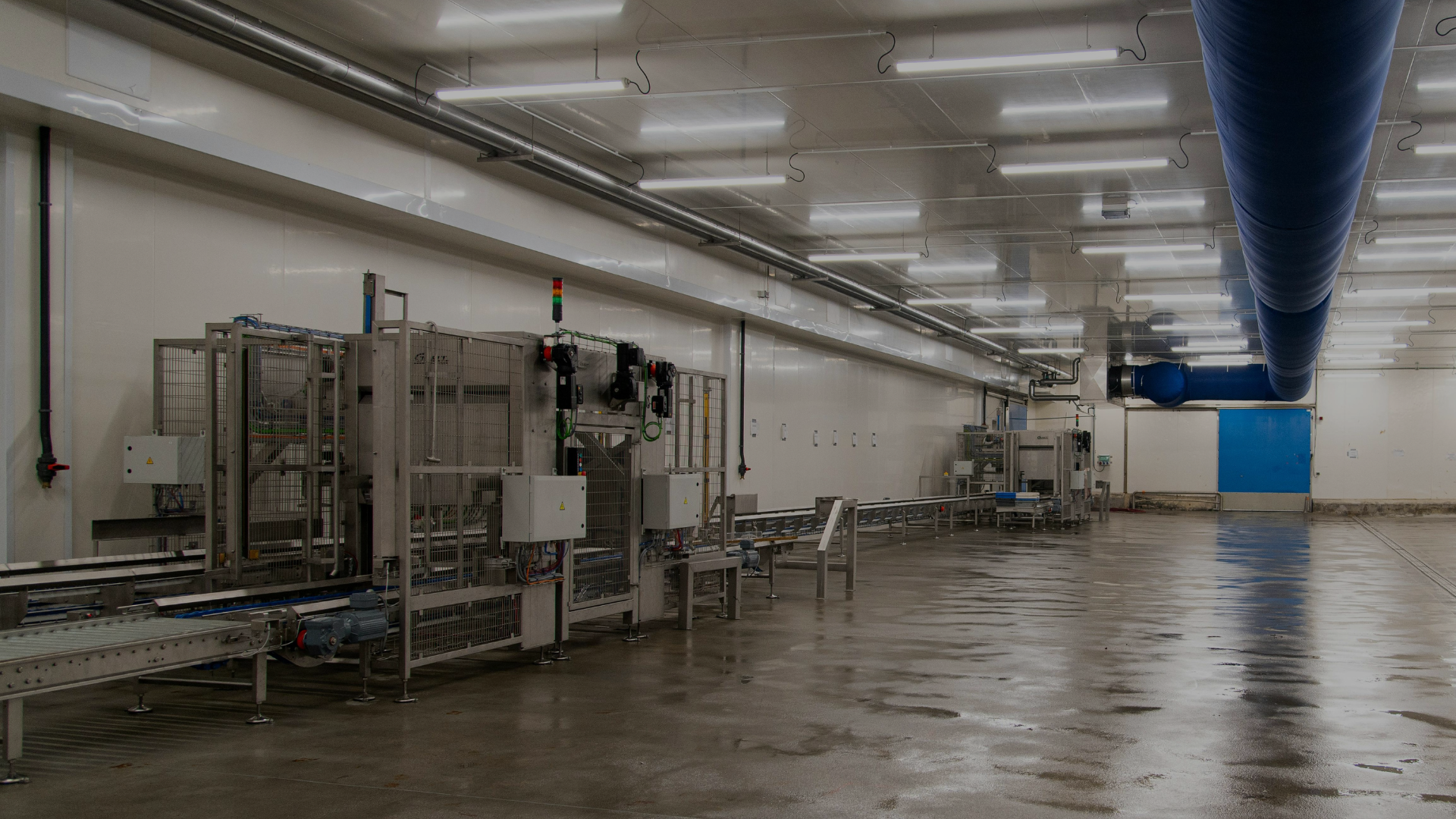
Industrial warehouse interior with stainless steel machinery, wet floor, and bright overhead lighting
By Bob Hansen May 20, 2026
Environmental responsibility has become an increasingly important part of industrial operations. Manufacturing facilities, warehouses, commercial kitchens, and processing environments are under growing regulatory and social pressure to reduce waste, improve safety, and operate more sustainably. While equipment upgrades and energy efficiency often receive most of the attention, cleaning practices also play a major role in environmental impact.  At Green Power Chemical, we understand that industrial cleaning is not only about appearance. Proper cleaning programs help facilities improve operational efficiency while supporting safer and more environmentally responsible practices.
Modern stainless-steel commercial kitchen with cooking range, prep counters, and overhead ventilation.
By Bob Hansen May 14, 2026
Commercial kitchens operate in demanding conditions where heat, moisture, and constant food preparation create a challenging environment for cleanliness. While routine cleaning is a standard part of kitchen operations, not all cleaning solutions are equipped to handle the specific types of buildup that develop in these settings. Grease, in particular, presents a unique challenge that requires more than general-purpose cleaning products.  At Green Power Chemical, the focus is on providing industrial-grade solutions that address the realities of commercial kitchen environments, where effectiveness, safety, and consistency are essential.
Row of white delivery trucks parked in a line along a curb
By Bob Hansen May 6, 2026
Fleet maintenance is often associated with mechanical work such as engine service, brake replacement, and routine inspections. While these elements are essential, one of the most overlooked aspects of fleet performance is industrial cleaning. Proper cleaning practices play a direct role in maintaining equipment reliability, improving efficiency, and supporting long-term operational performance.  At Green Power Chemical, the focus is on providing effective cleaning solutions that align with the demands of fleet environments, where consistency and reliability are critical.
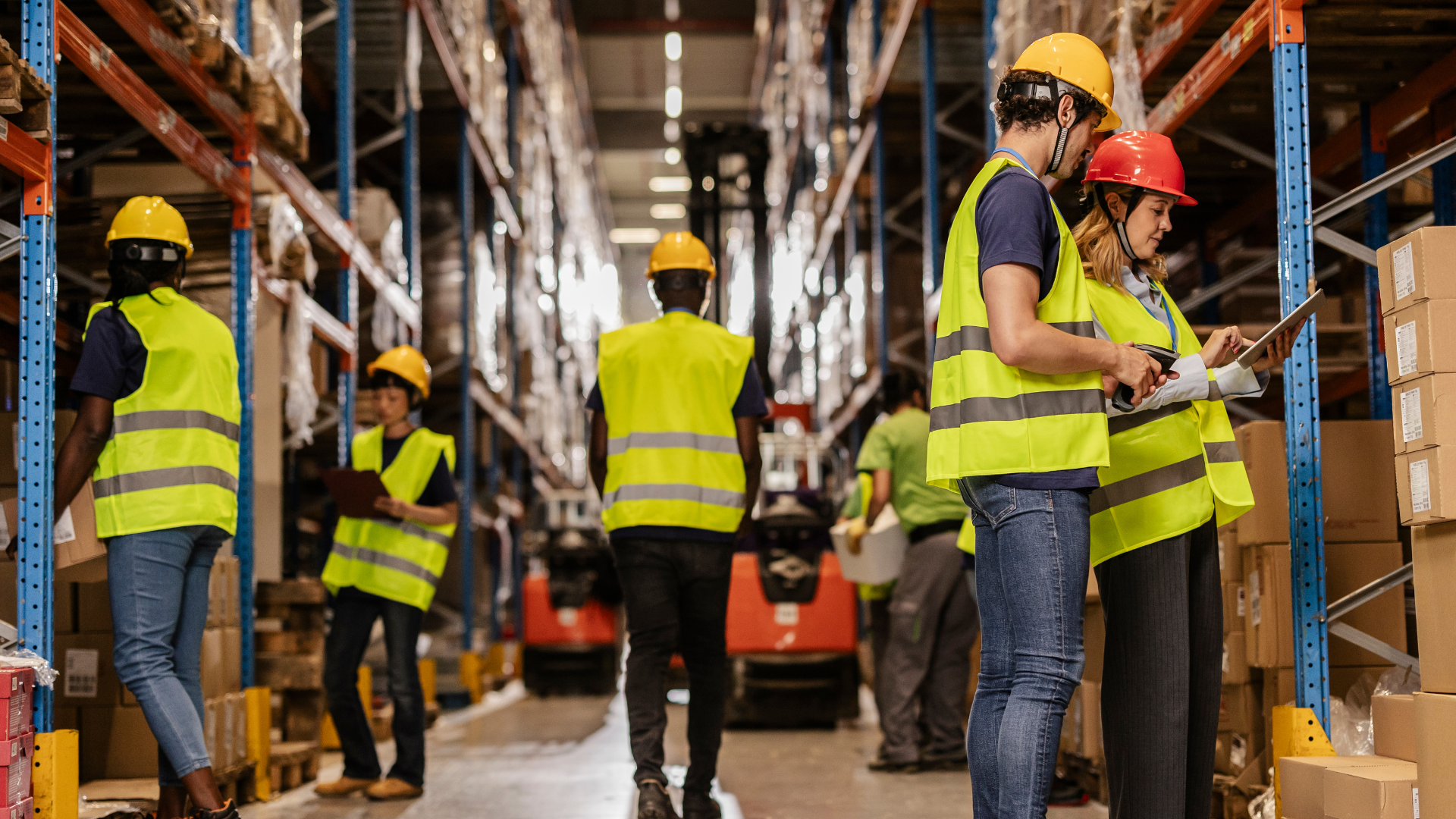
Workers in yellow safety vests and hard hats standing in a warehouse aisle with forklifts and shelving
By Bob Hansen April 29, 2026
Logistics environments are built for constant movement. Warehouses, distribution centers, and fulfillment facilities operate on tight schedules, with equipment, personnel, and inventory moving continuously throughout the day. In these high-traffic settings, cleanliness is often viewed as a secondary concern. In reality, it plays a direct role in safety, efficiency, and overall operational performance.  Maintaining clean surfaces is not simply about appearance. It is a foundational part of keeping logistics environments functioning as intended.
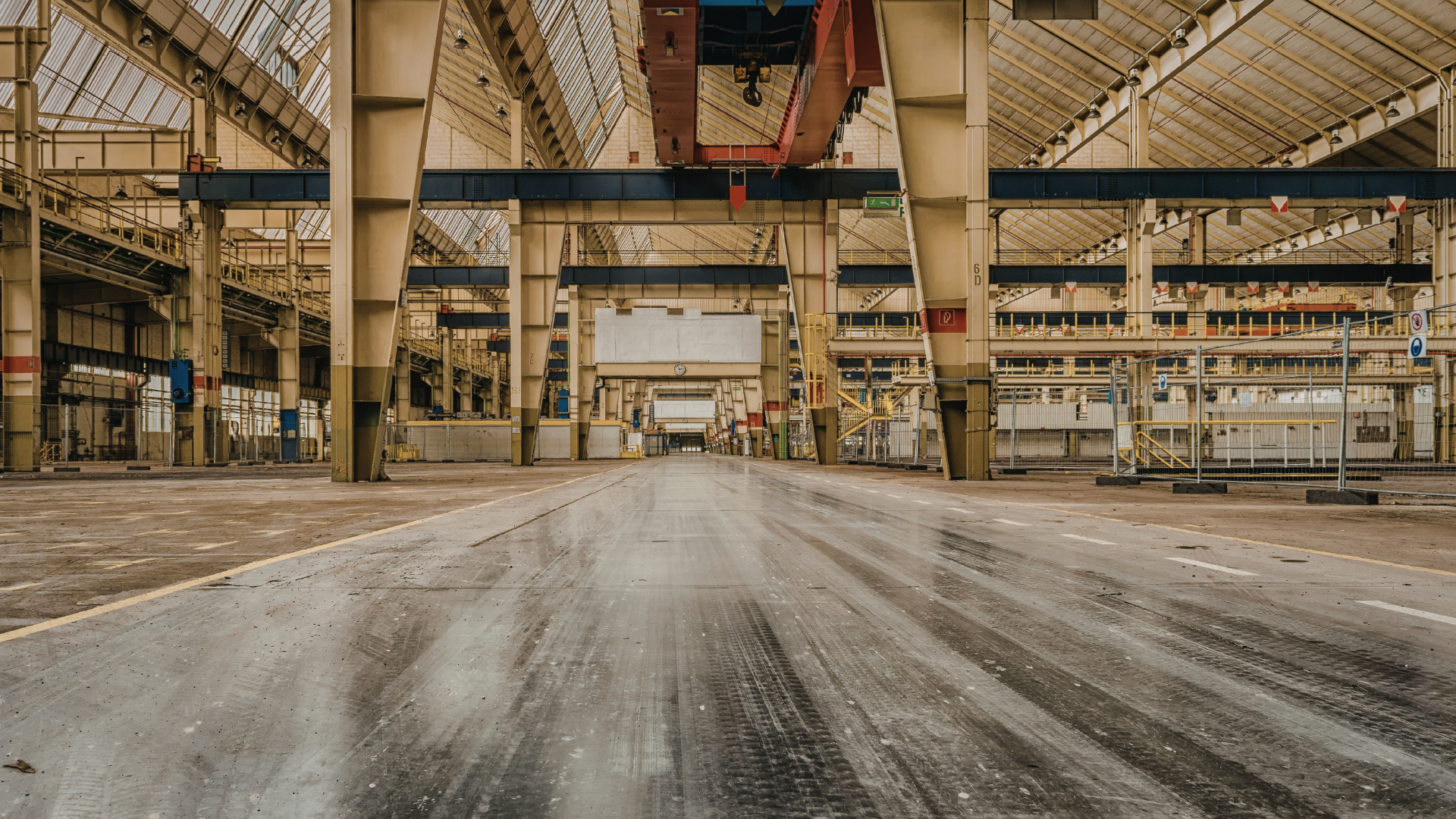
Abandoned industrial warehouse interior with concrete pillars and dusty floor
By Bob Hansen April 22, 2026
Persistent buildup is a common challenge across industrial and commercial environments. Whether it appears on floors, equipment, or work surfaces, residue that accumulates over time can be difficult to remove using standard cleaning methods. What begins as a manageable condition can gradually become more resistant, affecting both appearance and performance.  Understanding how buildup forms and why it persists is the first step toward addressing it effectively.
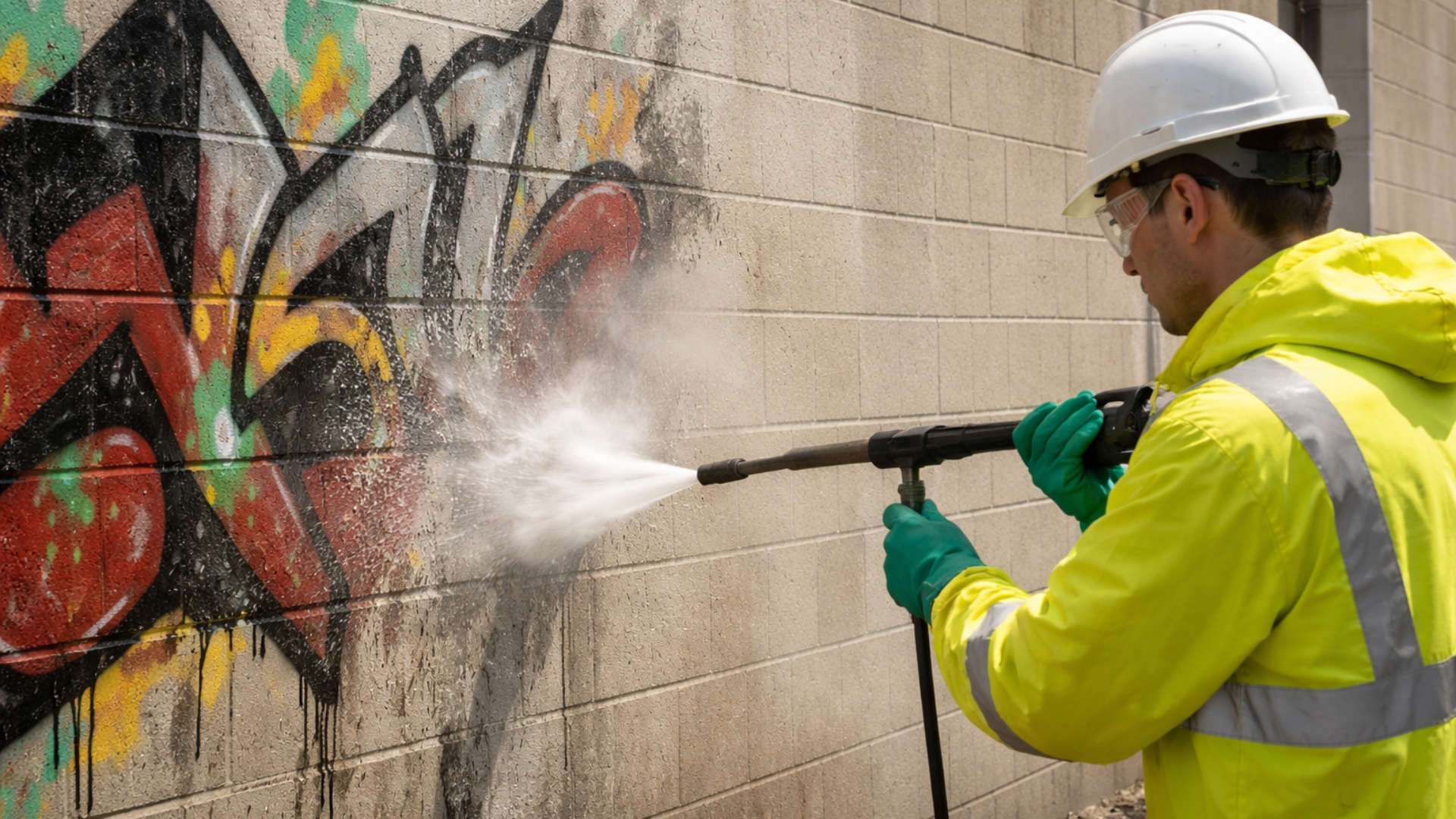
Worker in hard hat pressure-washing graffiti off a brick wall
By Bob Hansen April 15, 2026
Graffiti is a common issue in many municipalities, affecting everything from public buildings to sidewalks and infrastructure. While some forms of graffiti are intentional art , unauthorized markings often create challenges for property owners and local governments. Beyond the immediate visual impact, graffiti can influence how a space is perceived and used over time.  Understanding the role of graffiti removal helps highlight why it is an important part of maintaining public environments.